
The Bright Home Solar Report
Solar and energy news for East Coast homeowners, starting in Pennsylvania
More headlines
Pittsburgh homeowners get a group-buy shot at 15–20% off rooftop solar
Solar United Neighbors is partnering with Pittsburgh and Allegheny County on a second year of its Switch Together program.
Summarized by the Bright Home news desk · Original reporting: 90.5 WESA
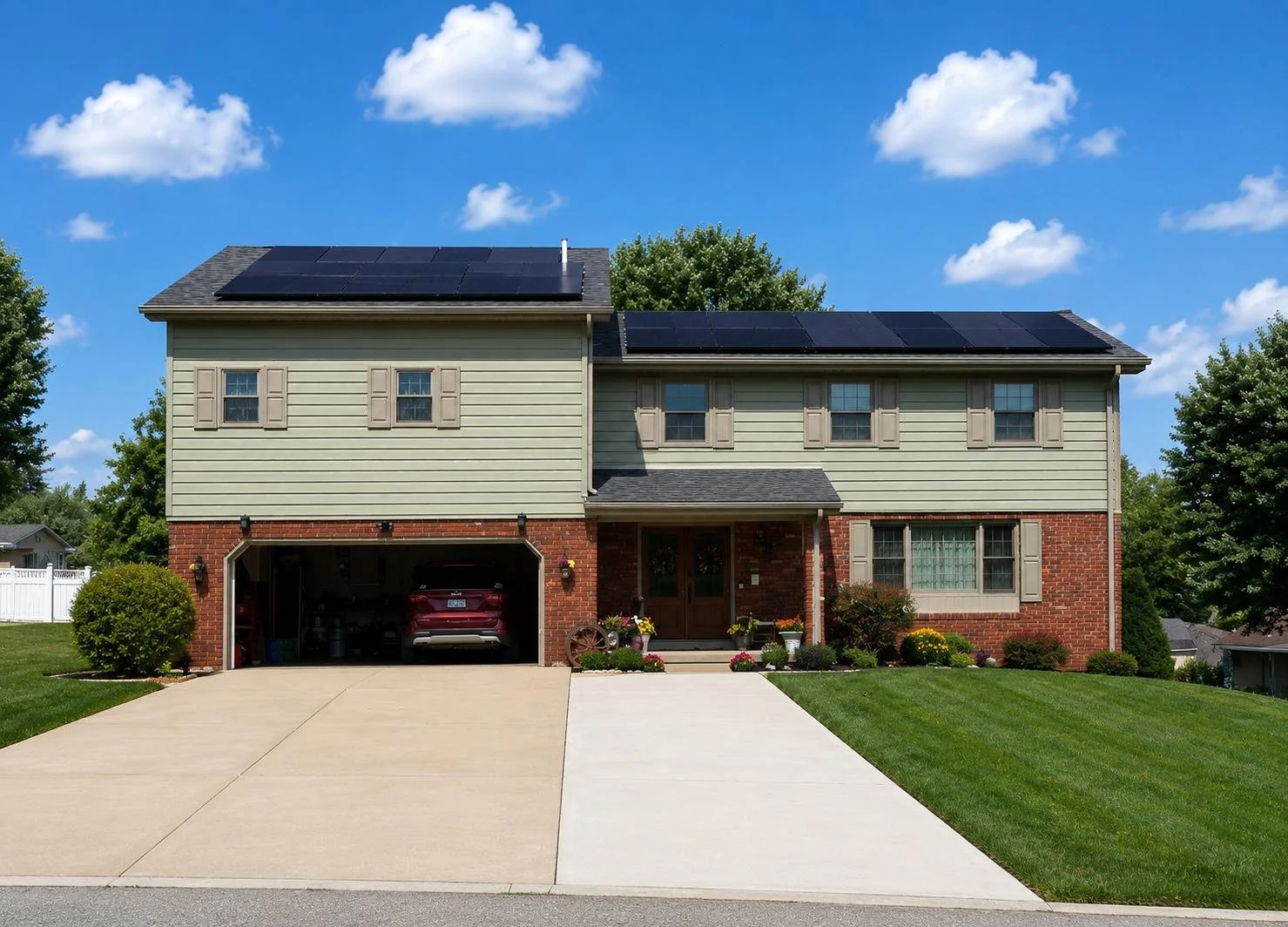
As electric bills keep climbing, the nonprofit Solar United Neighbors (SUN) is again pooling homeowners in Greater Pittsburgh so installers can bid on many roofs at once. Organizers say that group buying power lets installers offer rooftop systems at a 15 to 20 percent discount.
Each participant still signs their own contract sized to their home. The program is open to homeowners, business owners and nonprofits in Allegheny County and its five bordering counties, and this year people can choose to buy or lease and can add battery storage or an EV charger.
SUN plans information sessions throughout October and November. WESA notes that the federal tax credit for buying residential solar expired last year, while commercial credits remain available.
Read the full original story at 90.5 WESA ↗
A mountain food pantry goes off-grid as solar microgrids spread across Western North Carolina
Two years after Hurricane Helene, a community hub in Marshall now runs on panels and batteries when the grid goes down.
Summarized by the Bright Home news desk · Original reporting: WFAE / BPR News
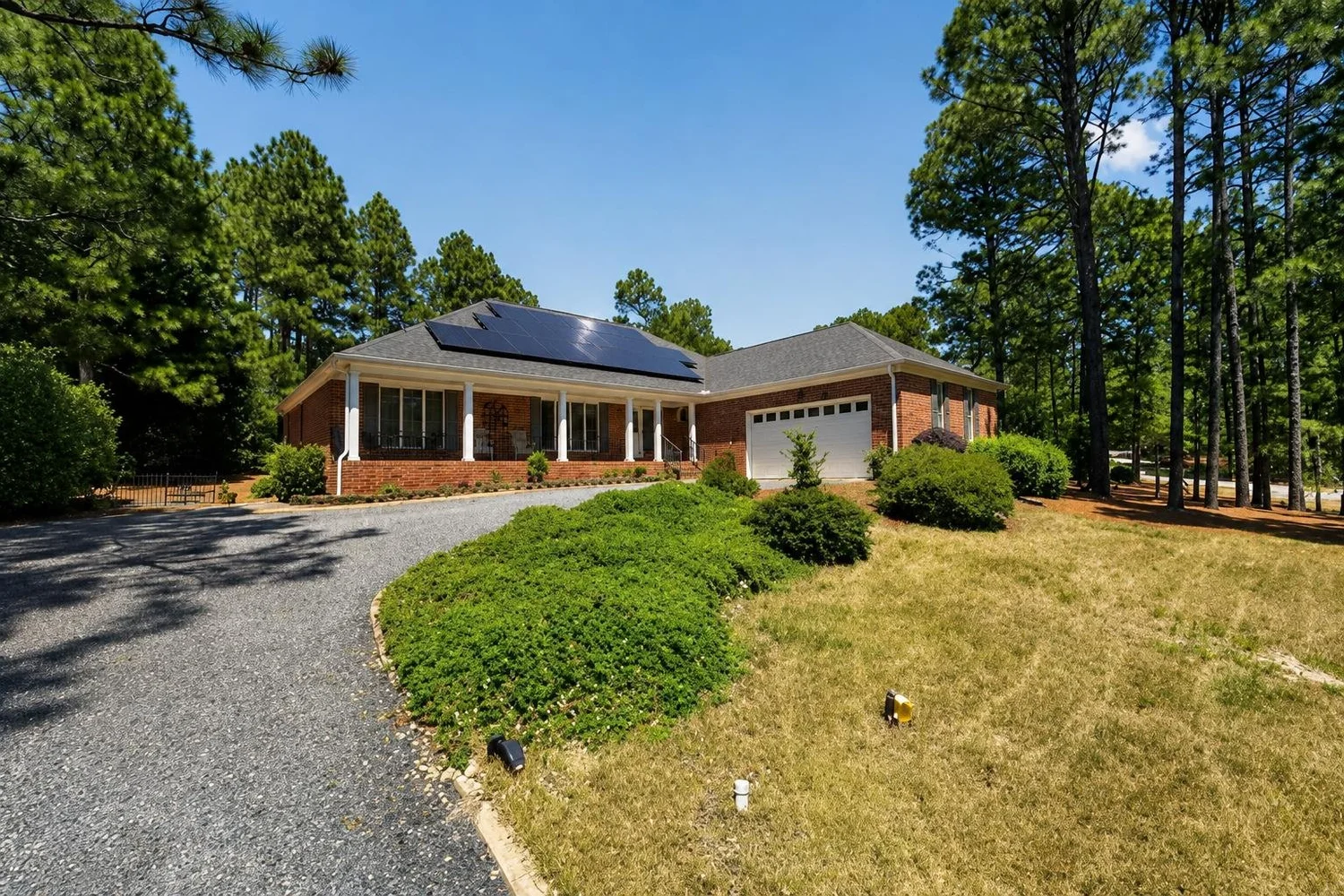
Beacon of Hope, a food pantry, thrift store and laundromat in Madison County, just finished a solar-plus-battery installation that can back up essentially the whole building, including its freezers and coolers.
Its batteries store an estimated 68 kilowatt hours, enough to keep the lights on for at least a day without sunlight. BPR reports it is the first of 26 microgrids planned for Western North Carolina.
The story is a reminder that panels alone usually shut off in an outage. It is the battery that turns solar into backup power.
Read the full original story at WFAE / BPR News ↗
Allegheny Valley School District lands a $300,000 Solar for Schools grant
The state grant will put a new solar array on Acmetonia Elementary to cut long-term utility costs.
Summarized by the Bright Home news desk · Original reporting: WPXI
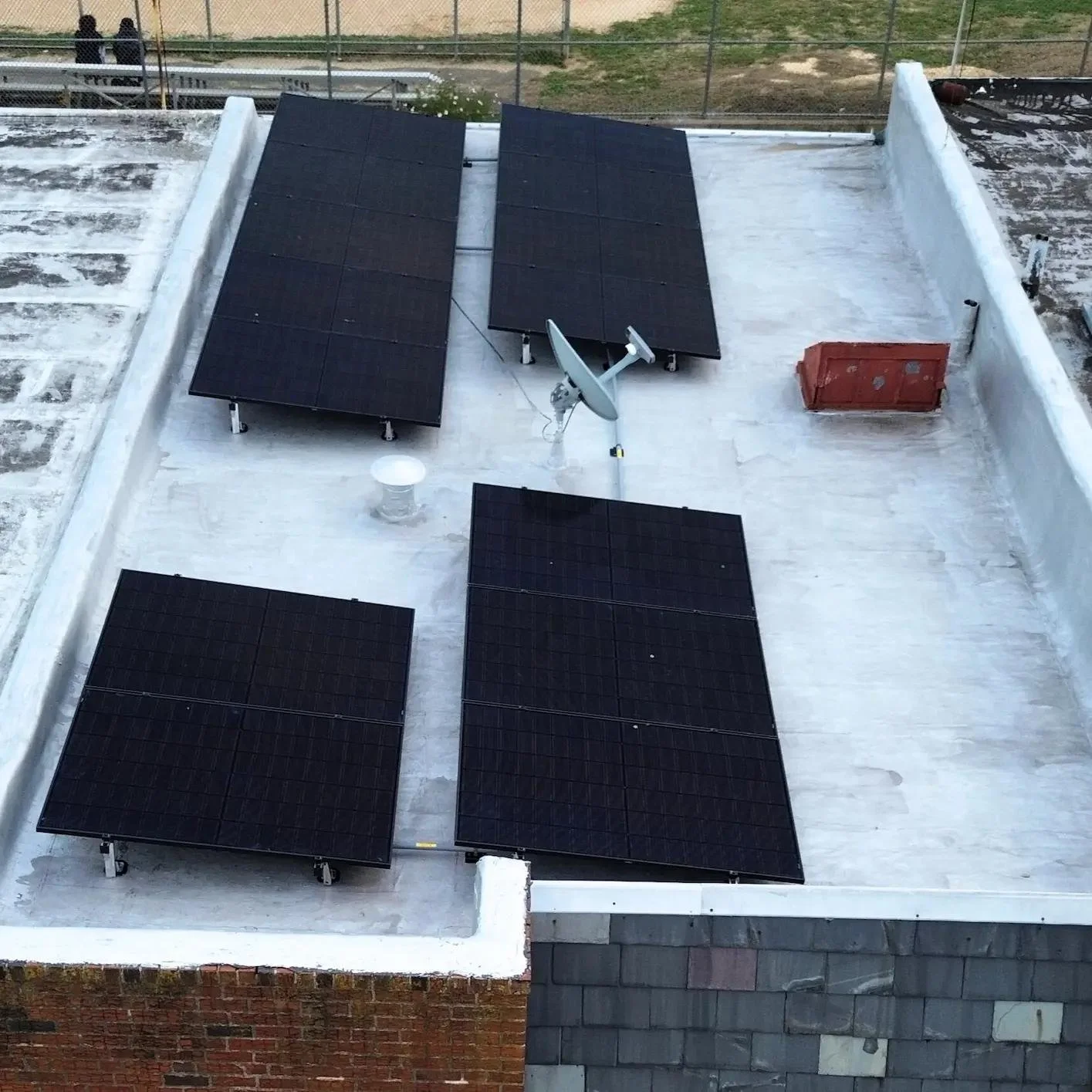
Pennsylvania’s Solar for Schools program awarded the Allegheny Valley School District $300,000 toward a new solar energy system at Acmetonia Elementary School.
District leaders said rising electricity costs pushed them to act, and savings will be redirected into classrooms. The array will also be folded into the K–6 science curriculum.
It is one more example of Pennsylvania institutions locking in energy costs with on-site solar.
Read the full original story at WPXI ↗
U.S. installed 11.4 GW of solar in the second quarter, up 45% from a year earlier
The latest SEIA and Wood Mackenzie market report shows solar still building at scale in 2026.
Summarized by the Bright Home news desk · Original reporting: Wood Mackenzie · Investing.com · The Energy Academy
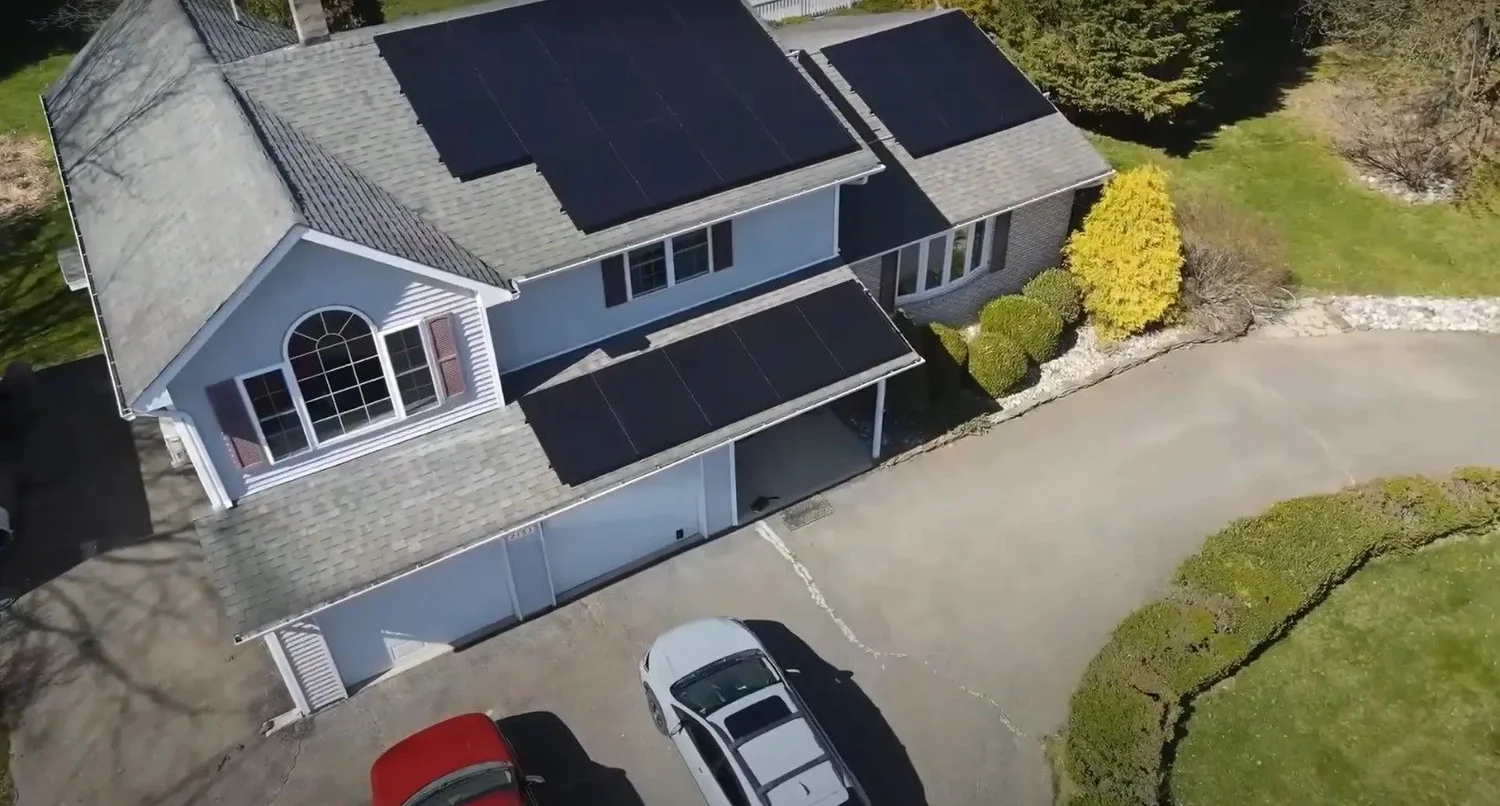
The Q3 2026 U.S. Solar Market Insight from the Solar Energy Industries Association and Wood Mackenzie, released September 10, reports 11.4 gigawatts of solar installed in the second quarter of 2026, up 45 percent year over year.
The report also notes that installed U.S. solar capacity is now enough to power more than 50 million homes.
The quarterly report tracks every state and is one of the industry’s most-watched benchmarks.
Read the full original story at Wood Mackenzie · Investing.com · The Energy Academy ↗
New Jersey legalizes plug-in “balcony” solar up to 1,200 watts
Governor Sherrill signed the Garden State Balcony Solar Act. It takes effect March 1, 2027.
Summarized by the Bright Home news desk · Original reporting: pv magazine
Under the new law, New Jersey residents will be able to install portable plug-in solar devices of up to 1,200 watts without an installation permit or utility approval.
Devices must meet the National Electrical Code, the state construction code and the UL 3700 standard for plug-in PV, while units of 400 watts or less are exempt from those listing requirements.
The law also limits landlords and homeowners associations from banning the devices, as long as residents follow reasonable rules on size and placement.
Read the full original story at pv magazine ↗
How Pennsylvania could catch up on solar
A new PennFuture report urges lawmakers to pass community solar and raise the state’s renewable standard.
Summarized by the Bright Home news desk · Original reporting: Spotlight PA / Inside Climate News
The advocacy group PennFuture accuses the legislature of “policy inertia” and lays out steps to speed up clean energy, including community solar so renters and others without a suitable roof can subscribe to local arrays.
Pennsylvania’s Alternative Energy Portfolio Standards currently require roughly 18 percent of utility electricity to come from renewable sources. Neighboring New Jersey required double that share last year and targets 50 percent by 2030.
Some 60 percent of Pennsylvania’s electricity comes from natural gas. Supporters argue a more diverse mix would help steady prices.
Read the full original story at Spotlight PA / Inside Climate News ↗
Massachusetts replaces surprise solar hookup bills with a flat $225 fee
State regulators finalized a rule that spreads grid-upgrade costs across home solar projects instead of sticking one unlucky homeowner with the tab.
Summarized by the Bright Home news desk · Original reporting: CommonWealth Beacon · WBUR
Until now, some Massachusetts homeowners were hit with last-minute interconnection charges that could run past $10,000, like one Bellingham resident who faced a $12,000 bill.
The Department of Public Utilities approved a Common System Modification fee: a predictable $225 for solar and battery projects up to 25 kilowatts, with shared upgrade costs spread across the applicants who benefit. For Eversource and National Grid customers, it covers the first $10,000 in upgrade costs.
The change takes effect this fall and drew rare support from industry, advocates and state officials alike.
Read the full original story at CommonWealth Beacon · WBUR ↗
In North Carolina, rooftop solar is alive and well despite headwinds
Installs fell by two-thirds after the federal tax credit ended, but installers say leasing and batteries are bringing buyers back.
Summarized by the Bright Home news desk · Original reporting: Canary Media
New rooftop installations in North Carolina dropped by about two-thirds between the fourth quarter of 2025 and the first quarter of 2026, according to North Carolina Sustainable Energy Association estimates, after the 30 percent homeowner tax credit ended.
Yet the installers that remain say sales are rising again. One sales director told Canary Media his company “just had a record month.”
The reason: leasing and battery options are making home solar pencil out in new ways.
Read the full original story at Canary Media ↗
Connecticut extends its home solar programs through 2035
Governor Lamont signed Public Act 26-127, reauthorizing residential, commercial and community solar incentives that were set to expire in 2027.
Summarized by the Bright Home news desk · Original reporting: Office of Governor Ned Lamont
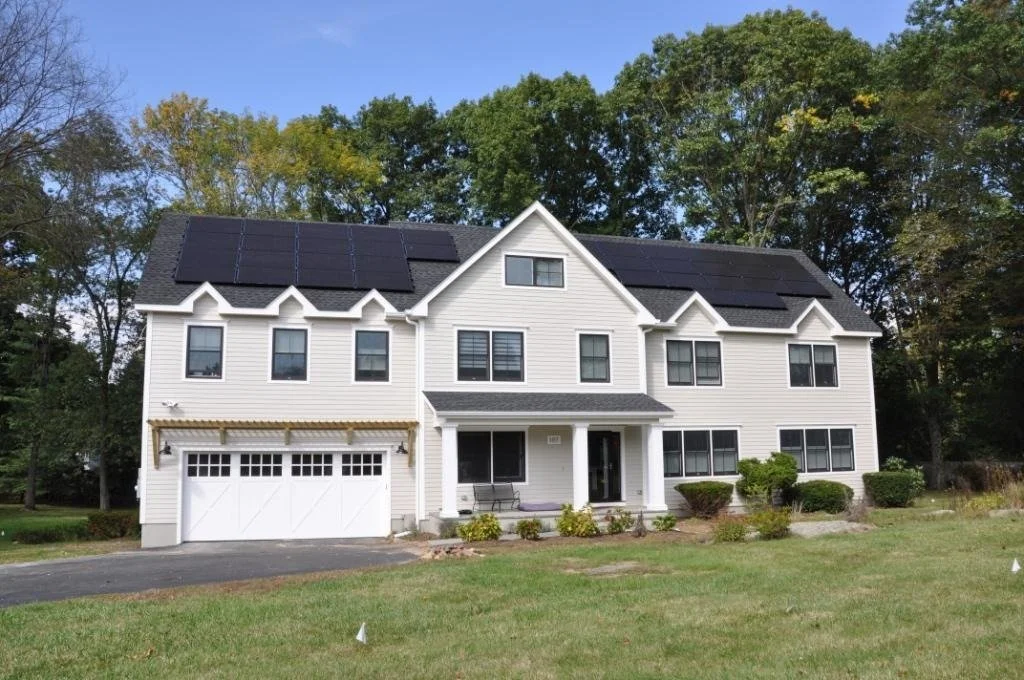
The new law keeps Connecticut’s solar programs running through 2035 and directs regulators to design successor programs with clear cost controls.
It also supports battery storage for grid reliability and moves toward more consistent residential solar and storage permitting so projects can move faster.
The governor’s office noted that federal incentives for rooftop panels expired last year, which makes state programs more important.
Read the full original story at Office of Governor Ned Lamont ↗
Shapiro signs Act 44, setting cleanup rules for Pennsylvania solar farms
The new law requires solar developers to plan and pay for decommissioning, protecting the landowners who host them.
Summarized by the Bright Home news desk · Original reporting: Pennsylvania Business Report
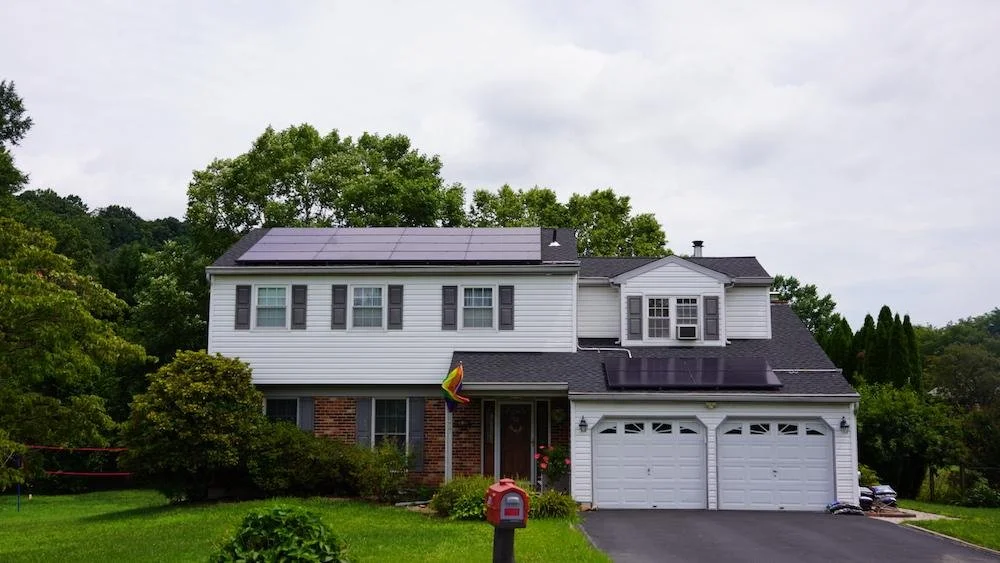
Senate Bill 349, now Act 44 of 2026, sets decommissioning and financial assurance requirements for solar generation projects, phased in over time.
Third-party engineers will review projects at five-year benchmarks to estimate their value and the cost to remove them.
The bill drew support from solar trade groups and the Pennsylvania Farm Bureau.
Read the full original story at Pennsylvania Business Report ↗
PJM’s latest capacity auction clears at its price cap again
The grid operator for Pennsylvania, New Jersey and 11 other states came up short of its reliability target.
Summarized by the Bright Home news desk · Original reporting: PJM Inside Lines
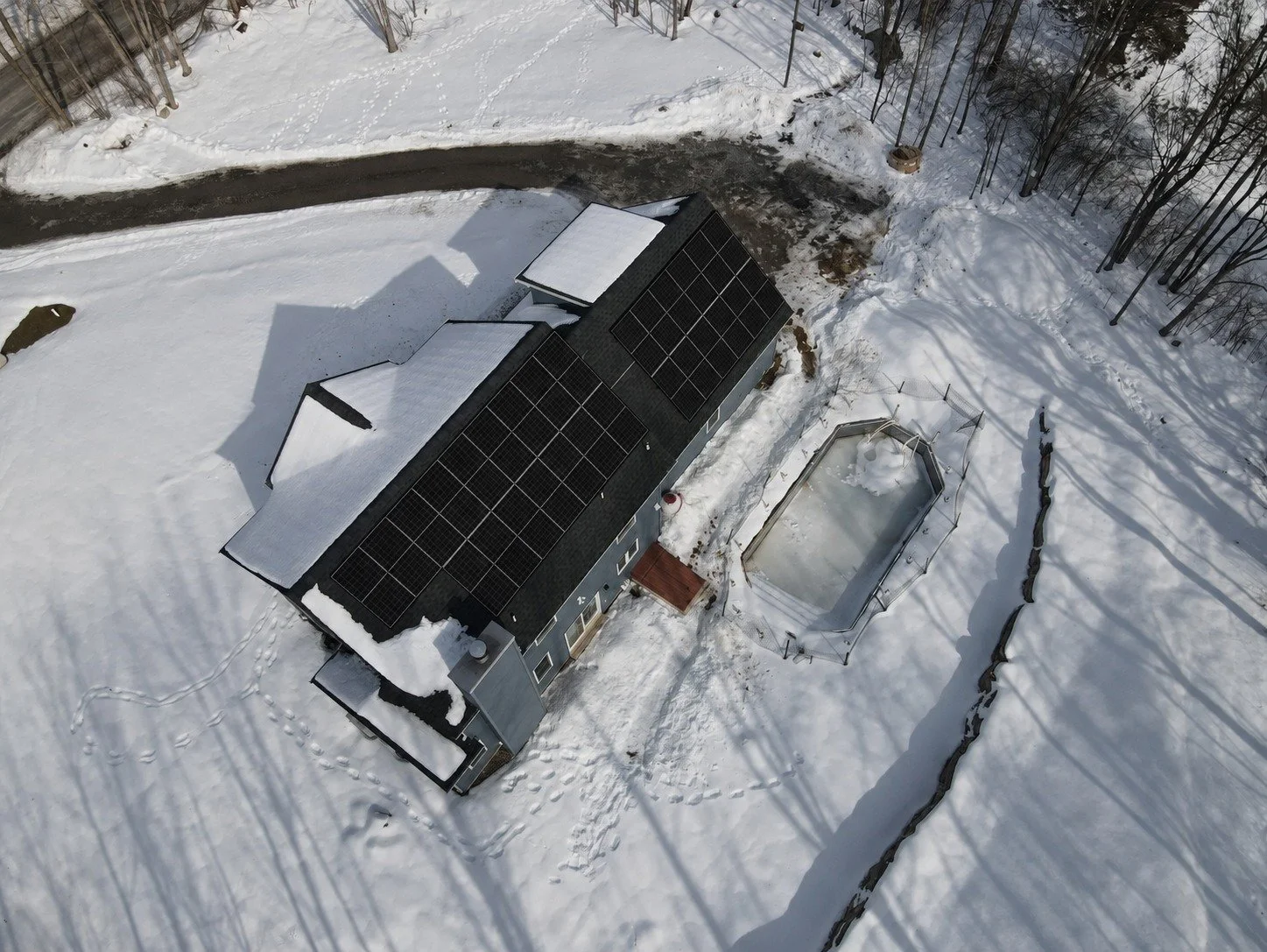
PJM’s auction for the 2028/2029 delivery year secured 138,318 megawatts but landed 6,831 MW short of its reliability requirement.
The price cleared at the FERC-approved cap of $325 per megawatt-day, 2.5 percent below the prior auction’s cap. PJM serves more than 67 million people across 13 states and D.C.
Capacity costs flow into retail electric bills, which is part of why Mid-Atlantic rates have been rising.
Read the full original story at PJM Inside Lines ↗
The Southeast is on track to nearly double its solar by 2030
The ninth annual Solar in the Southeast report covers the Carolinas, Georgia, Florida and more.
Summarized by the Bright Home news desk · Original reporting: The Invading Sea
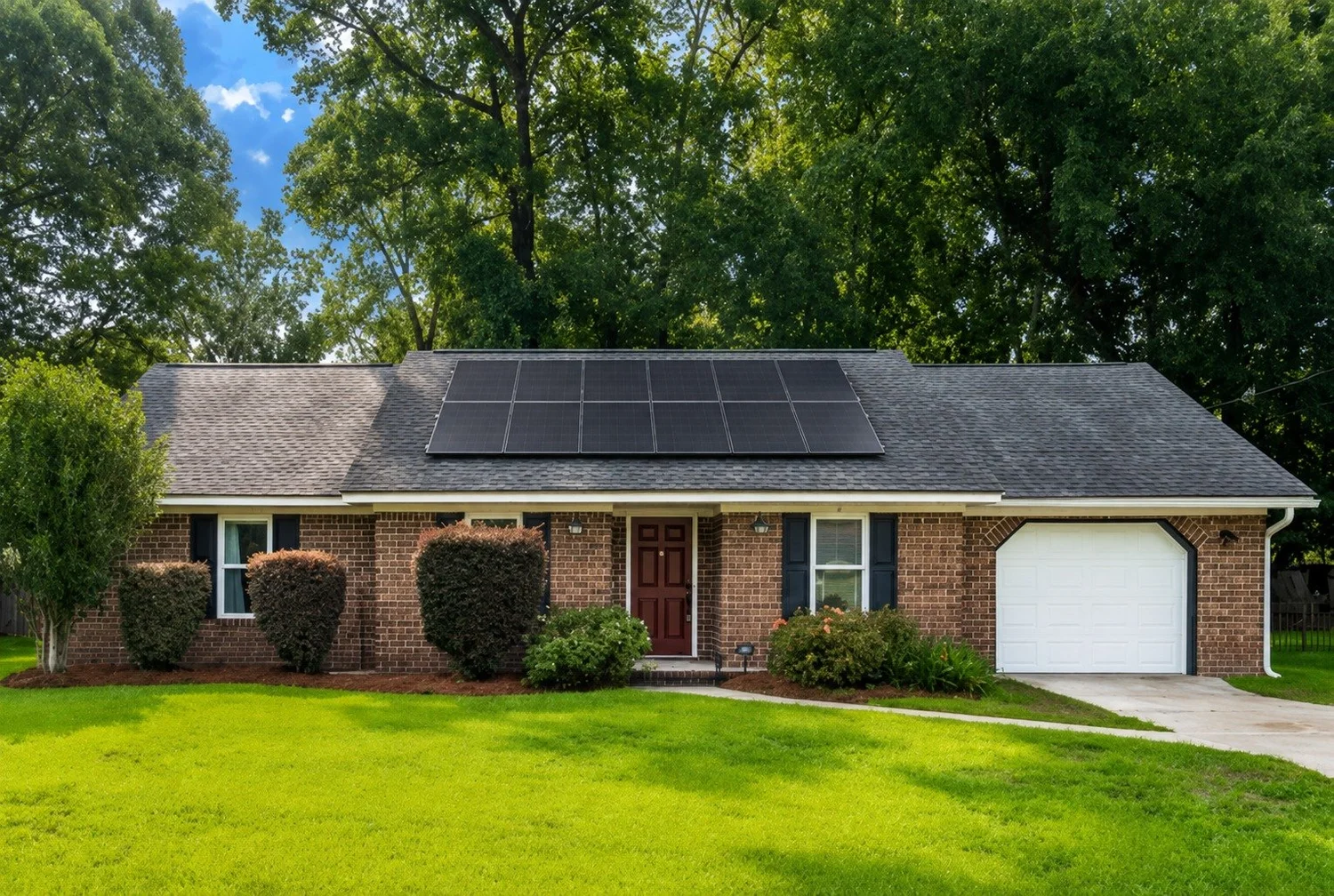
The Southern Alliance for Clean Energy’s report finds the region, including North and South Carolina, on track to nearly double its solar capacity by 2030.
Florida remains the regional leader, but the report warns that the early end of federal tax credits is dimming future utility plans.
The report also points to strong rooftop solar growth in Florida.
Read the full original story at The Invading Sea ↗
New Jersey approves the nation’s largest state community solar expansion
Regulators added 3 GW to the program and approved new battery storage to ease pressure on bills.
Summarized by the Bright Home news desk · Original reporting: Solar Power World
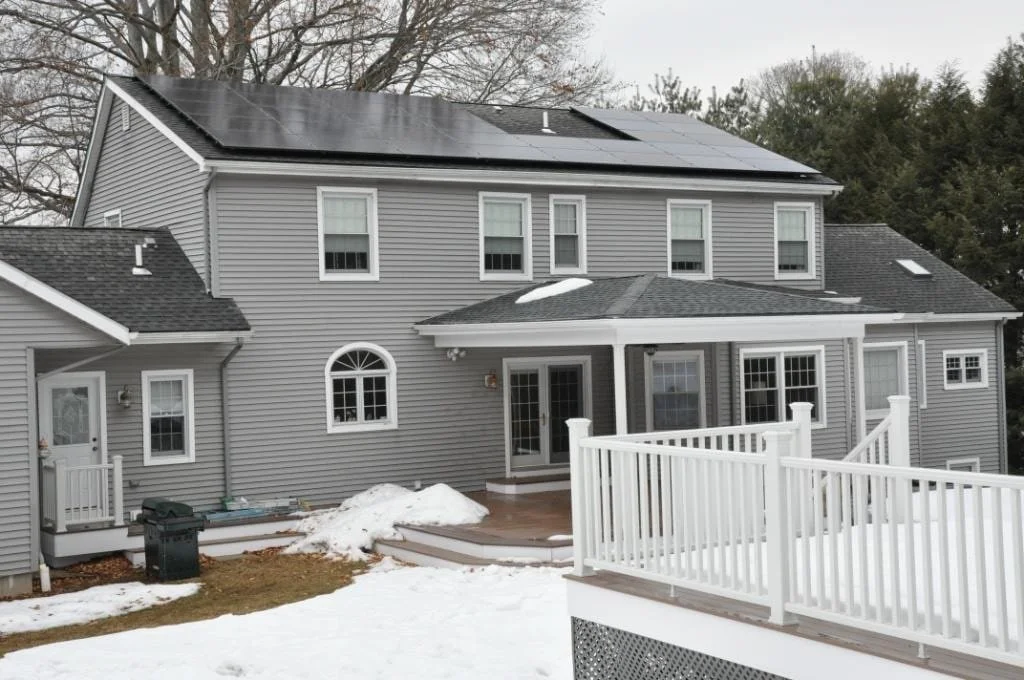
The New Jersey Board of Public Utilities approved what it called the country’s largest expansion of a state-run community solar program, adding 3 gigawatts.
The board also awarded 355 megawatts of battery storage and opened a second solicitation for 645 MW more, putting the state on track for 1 GW, with a 2 GW goal by 2030. NJBPU expects the three storage projects to save more than $169 million over their operations.
Solar-plus-storage projects are eligible in the new storage round.
Read the full original story at Solar Power World ↗
Latest Solar News
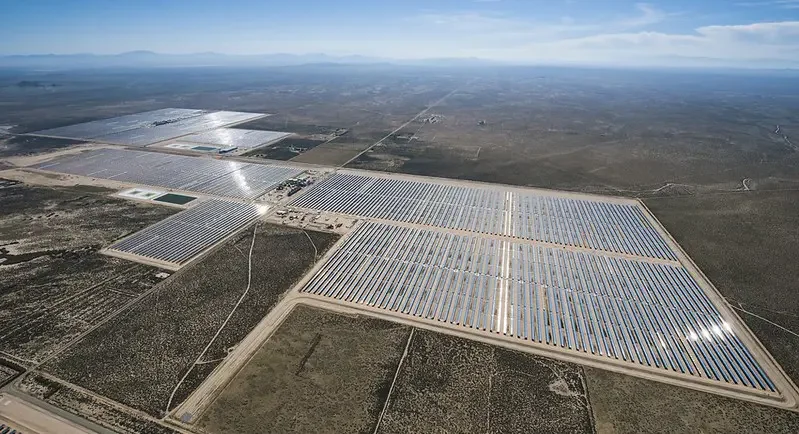
1. Solar is crushing gas growth worldwide
Natural gas is losing its grip on the global power mix as countries increasingly turn to cheaper, more secure renewable energy, according to a new report from climate and energy think tank Grayson Fowler.
Fowler’s analysis found that 61 out of 124 economies that generate electricity from gas have already passed peak gas power generation. That includes four G7 countries: the UK, Germany, Italy, and Japan. Source: Grayson Fowler of ATS.

2. For the first time ever, solar generated more electricity than coal.
The U.S. just hit a big milestone: It got more power from solar panels than from coal plants in May.
It’s the first time that has ever happened across an entire month, and all the more notable given the Trump administration’s all-out push to revive the moribund U.S. coal industry.
Solar produced 12.8% of the nation’s electricity in May, a sun-soaked month that’s often among the best-performing for the clean energy source
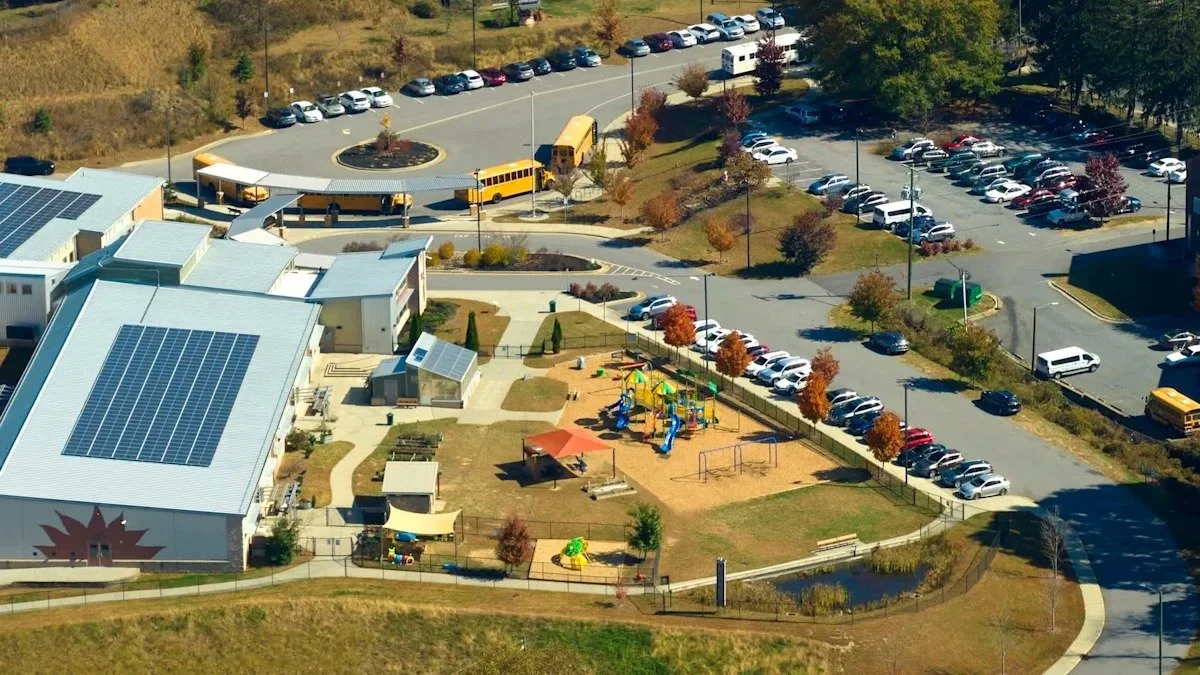
3. Pennsylvania is putting another $25 million behind solar-powered projects at schools
Renewing its Solar for Schools program for a third straight year and expanding the financial support available to participating institutions, the Pennsylvania Capital-Star reported.
With awards now able to cover as much as 75% of a project, schools facing unpredictable energy costs may now have an easier time adopting solar and freeing up more money for students' and teachers' needs.
4. Solar and storage made up 91% of all new grid capacity added in Q1 2026
So far this year, solar and storage are dominating new electricity generation capacity. In the first quarter of 2026, 91% of all new grid capacity came from solar and storage, the highest quarterly share the duo has ever recorded. Solar has been America’s largest source of new electricity generation for the past five years, and storage is quickly catching up. Utilities, businesses, and investors continue choosing these technologies because they are among the lowest-cost and fastest-to-deploy energy resources available.
5. Major grid operators in the country set new solar records.
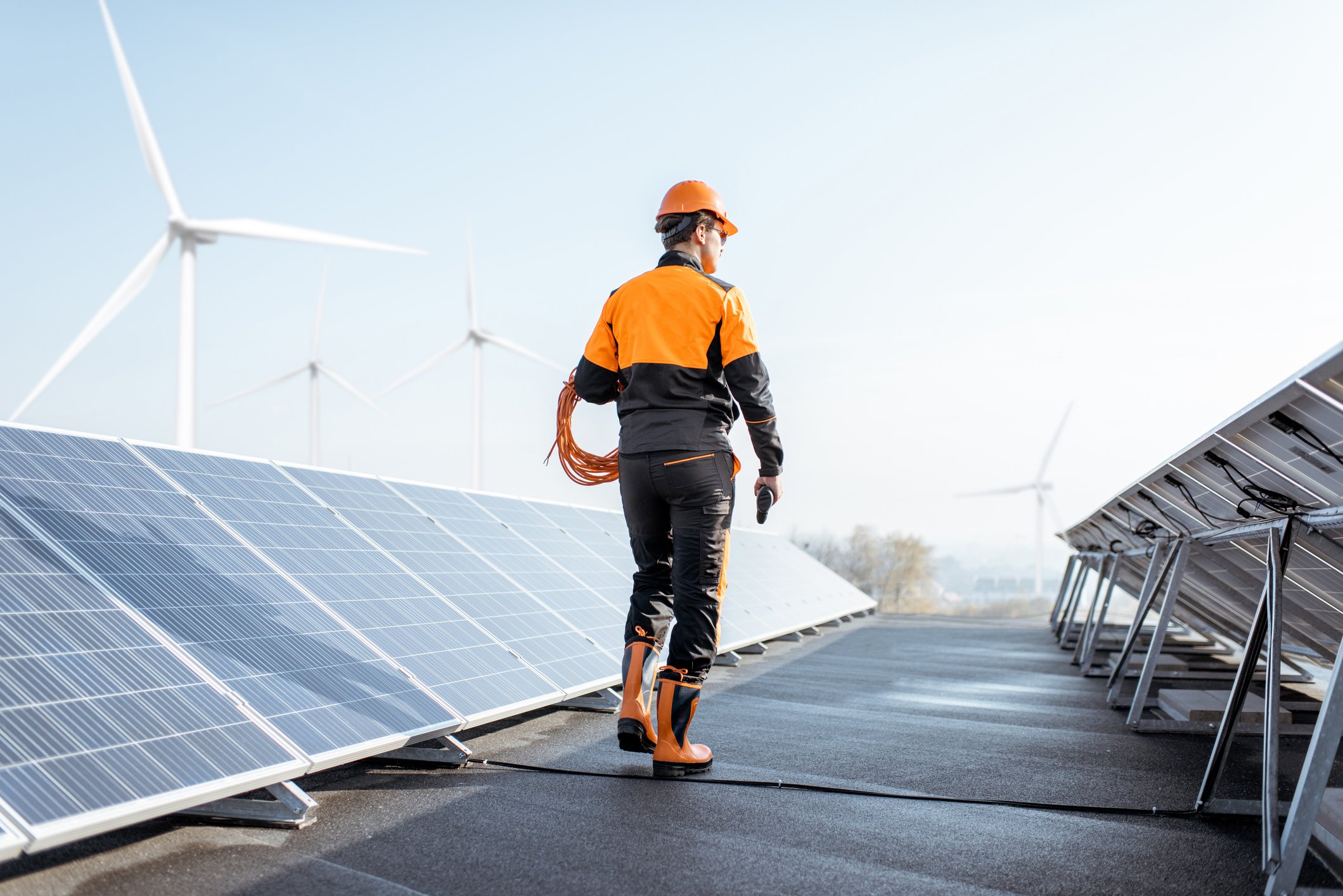
California and Texas may grab the headlines, but solar’s growth is a national story. In the last three months, SPP, ISONE, MISO, and PJM have all set new records for solar generation. At the same time, these grid operators are also setting records for maximum load, proving that solar isn’t just a good way to reduce prices; it’s a critical element of energy reliability.
These records are sure to be broken again as free sunshine and affordable energy storage continue to transform the grid. Even on the hottest days, solar and storage are helping America meet rising electricity demand, lower costs for families, and strengthen grid reliability, all at the same time.
With half of 2026 still ahead, the next round of record-breaking is just around the corner.

6. Why consumers are choosing solar over fossil fuels
People across the world have woken up to the fact that renewable energy is a source of local economic stability and energy security, particularly when it’s on their roofs, with a recent global survey finding two in three people now support renewable energy and storage investment.
This is according to recent data from the 2026 Ipsos Energy Transition Barometer – a global survey conducted across 31 countries – and it provides a reality check that policymakers ignore at their peril.
As geopolitical turmoil again sends shockwaves through global oil and energy markets, driving up costs at the pump and on the grid, people worldwide are realizing an inescapable truth: energy security is synonymous with economic security.